
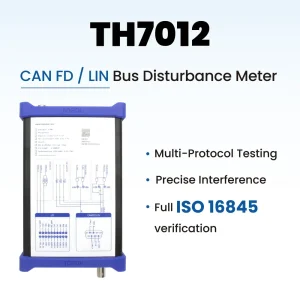
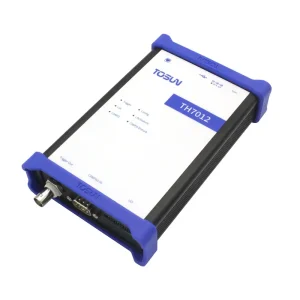
TH7012 – CAN FD/LIN disturbance interface
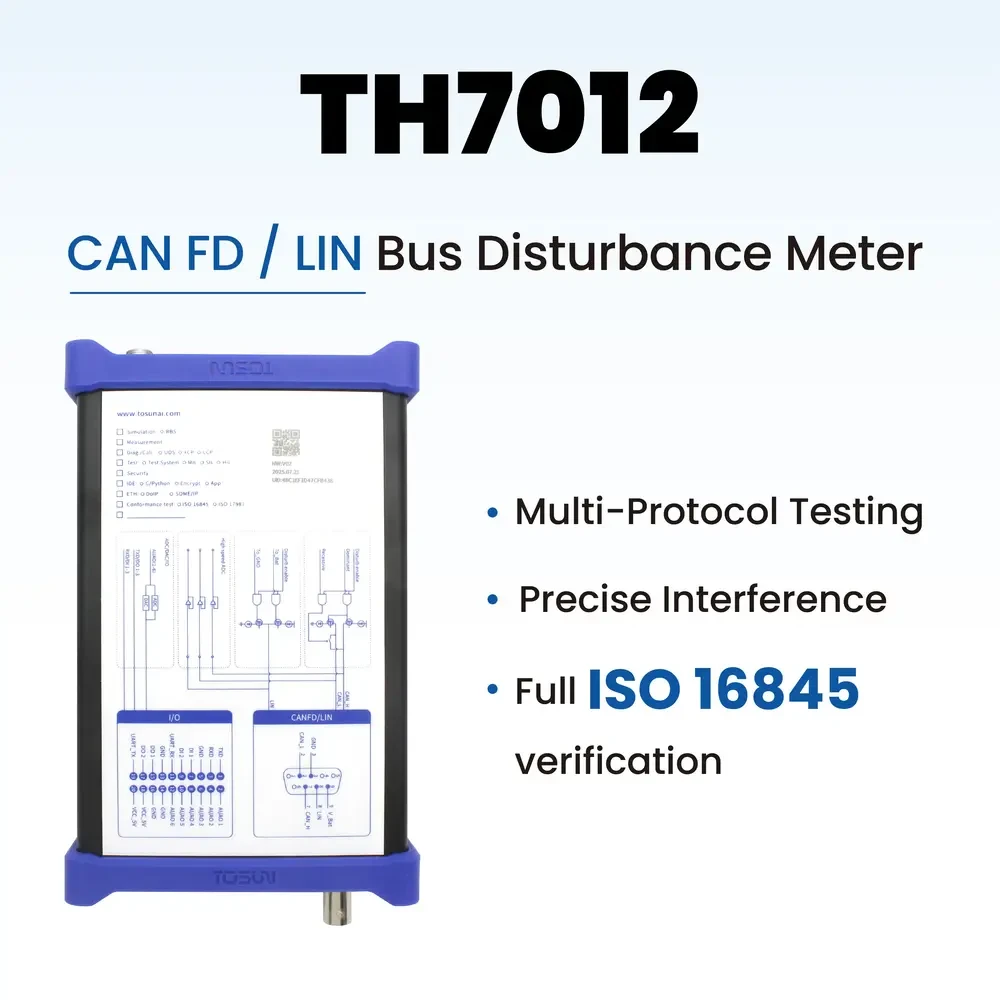
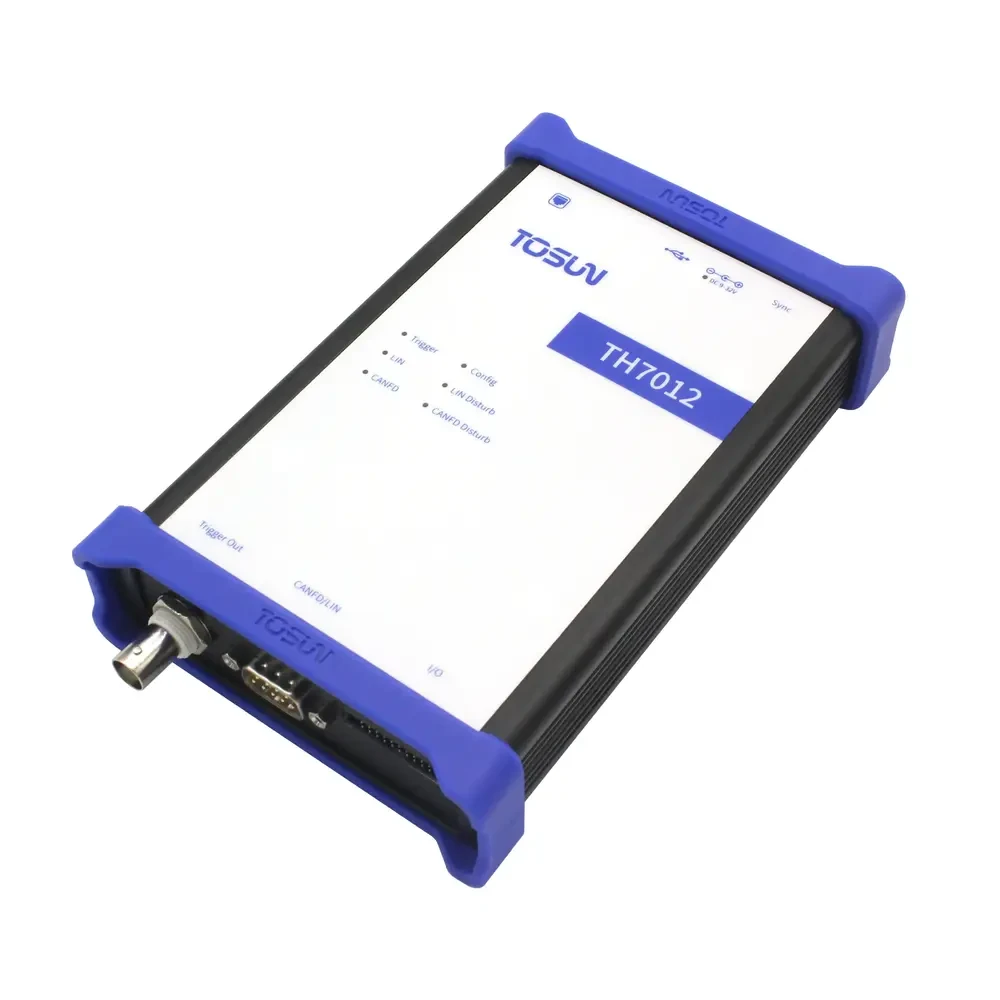
The TH7012 is a versatile device for CAN (FD) bus interference, LIN bus interference, and ISO16845 testing. It connects to a PC via an RJ45 Ethernet interface or USB interface, and the driver-free design for Windows ensures broad system compatibility. TH7012 supports three working modes: CAN (FD) interference mode, LIN interference mode, and ISO 16845 testing mode. The following describes each mode in detail.
- ARM64 Linux: tsdev
- HarmonyOS: tsdev
Related Products
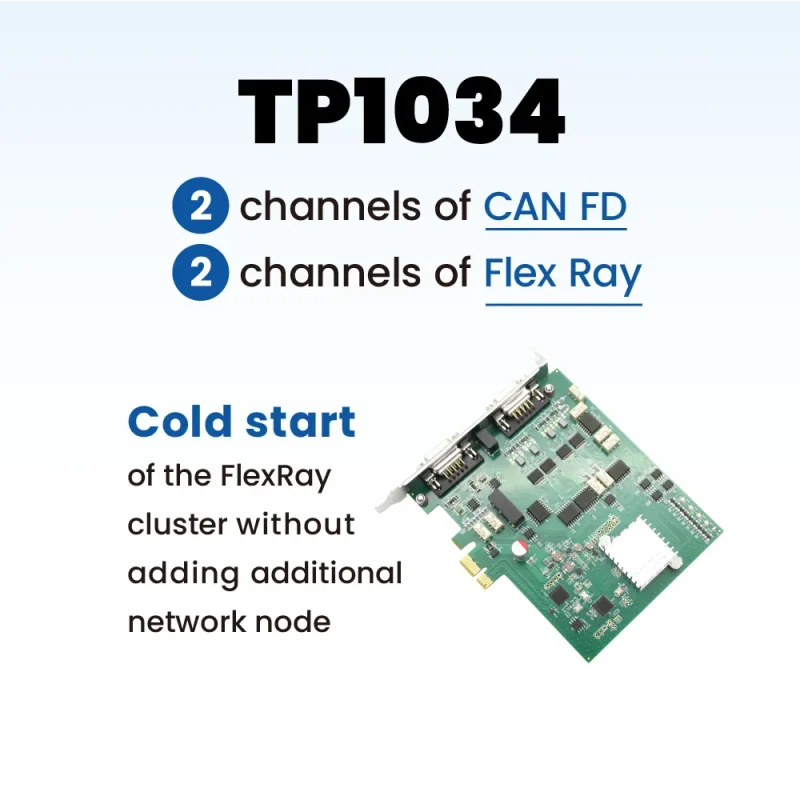
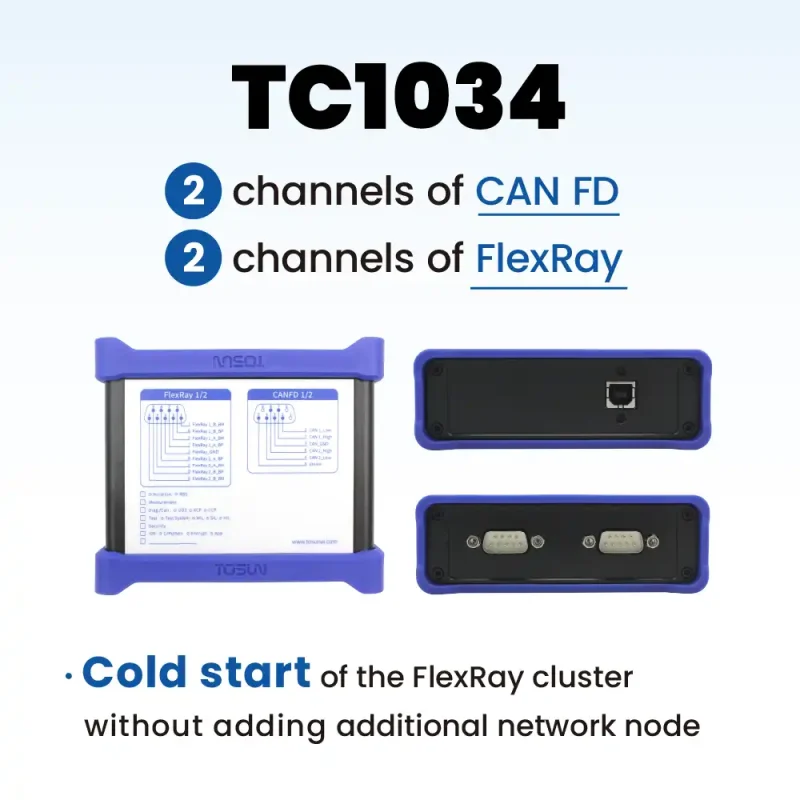
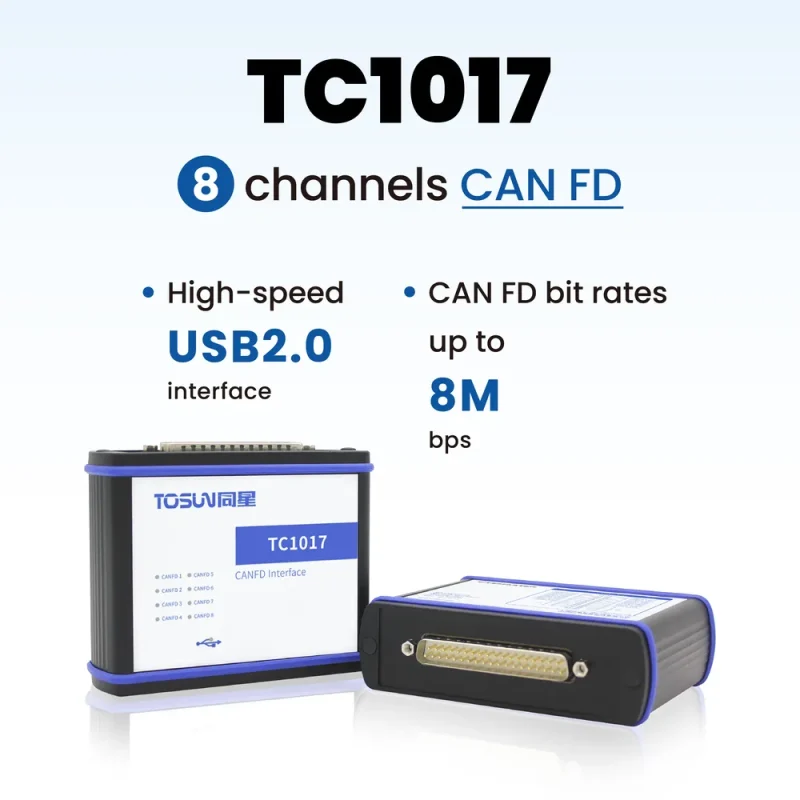
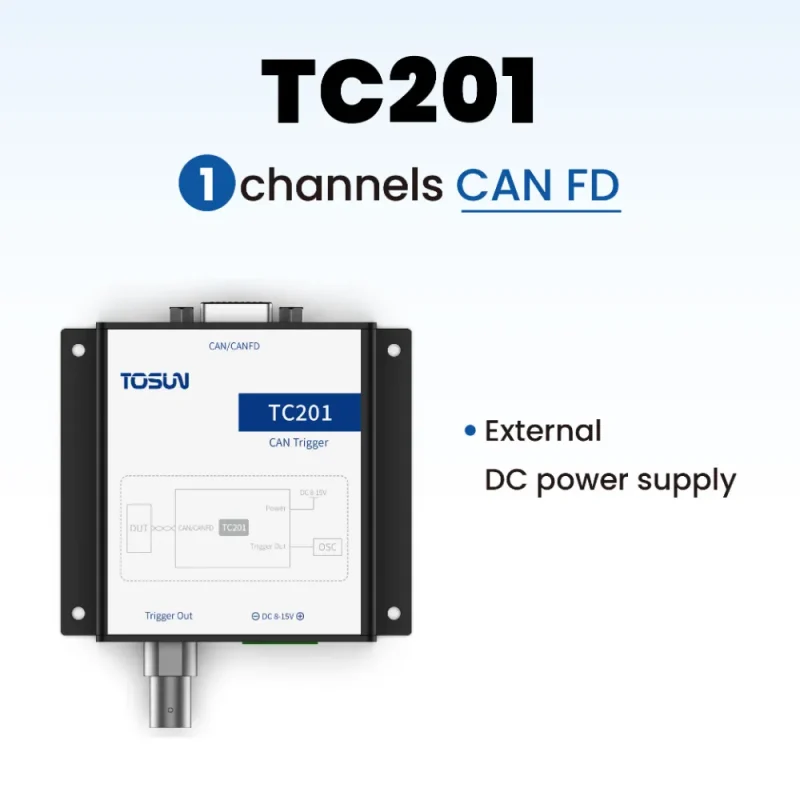
Related products
TH7012 Functions and parameters
LIN Interference Mode:
When configured with the PC software in LIN interference mode, TH7012 supports:
- Interfering with specific bits of a LIN frame
- Flipping specific bits of a LIN frame
- Interference count statistics
- Sampling point testing
- Sending incomplete frame headers based on user configuration, where the header can include:
- Sync break only
- Sync break + sync field
- Sync break + sync field + protected ID field
- Configurable data segments and inter-byte intervals in frame responses
- ±14% offset in transmit baud rate
- Bit-time measurement
- Trigger output for LIN frame interference
CAN (FD) Interference Mode:
When configured in CAN (FD) interference mode, TH7012 supports:
- Interfering with specific bits of CAN (FD) frames
- Configurable interference lengths
- Multiple trigger modes, including frame trigger, error trigger, and software trigger
- Bit-timing deviation testing
- Bus-off behavior testing
- Sampling point testing
ISO 16845 Testing Mode:
When configured in ISO 16845 testing mode, TH7012 can verify the IUT’s (Implementation Under Test) handling of:
- Standard frames, extended frames, CAN FD frames, and CAN FD extended frames with various identifiers and lengths
- Error handling, including bit errors, CRC errors, stuffing errors, format errors, and overload frames
- Behavior in active and passive error states
TH7012 is designed for CAN (FD)/LIN protocol testing, ensuring that nodes comply with communication protocol specifications and guaranteeing safe and reliable network operation. It can also be used to verify whether the IUT’s CAN IP core complies with the ISO-11898-1 CAN communication protocol standard.
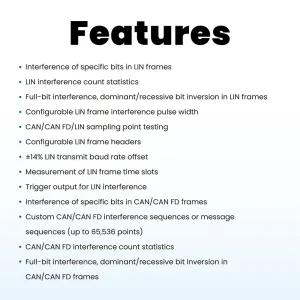
Features:
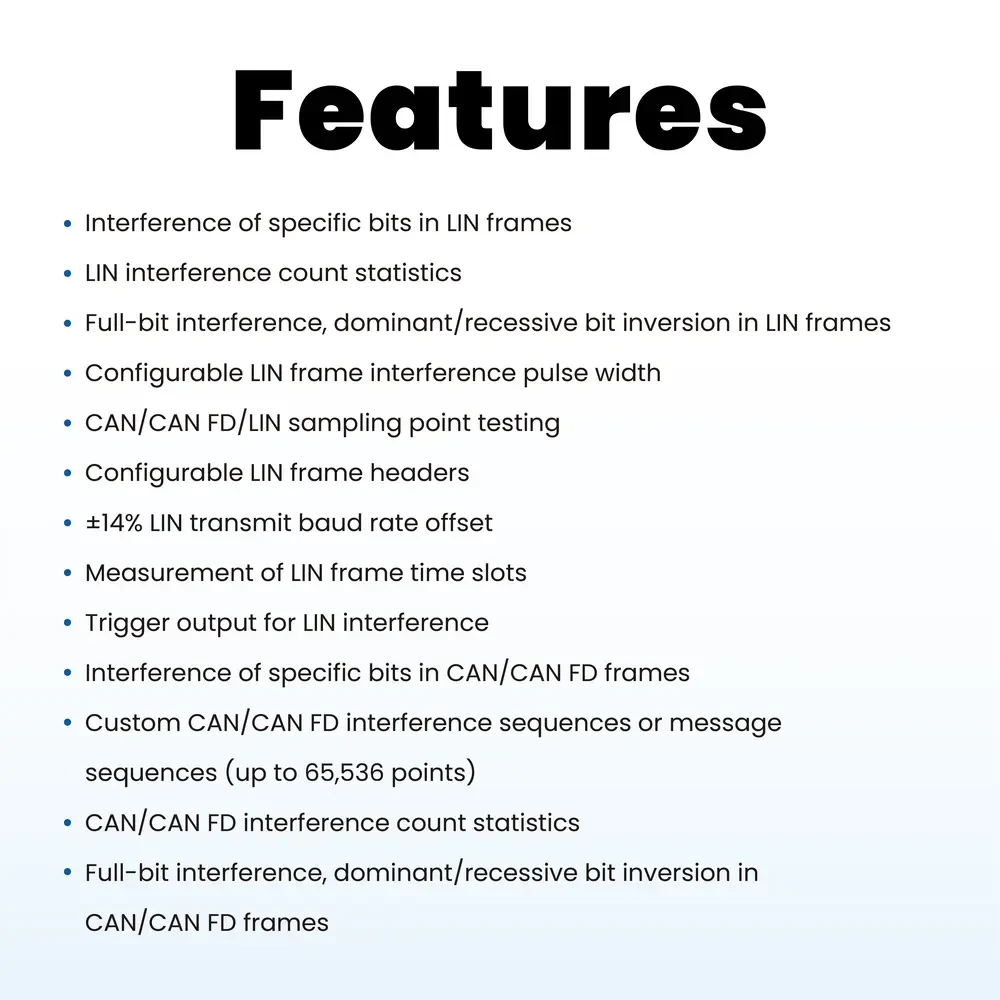
- Interference of specific bits in LIN frames
- LIN interference count statistics
- Full-bit interference, dominant/recessive bit inversion in LIN frames
- Configurable LIN frame interference pulse width
- CAN (FD)/LIN sampling point testing
- Configurable LIN frame headers
- ±14% LIN transmit baud rate offset
- Measurement of LIN frame time slots
- Trigger output for LIN interference
- Interference of specific bits in CAN (FD) frames
- Custom CAN (FD) interference sequences or message sequences (up to 65,536 points)
- CAN (FD) interference count statistics
- Full-bit interference, dominant/recessive bit inversion in CAN (FD) frames
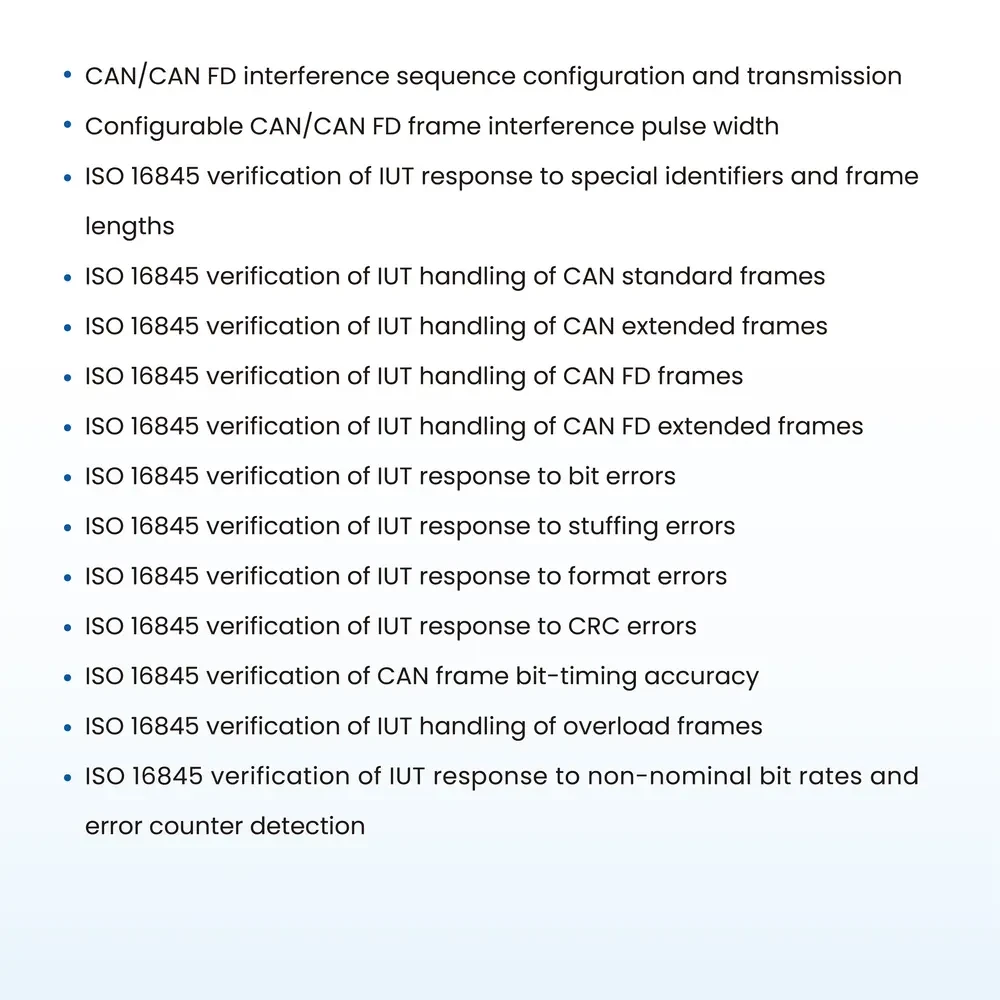
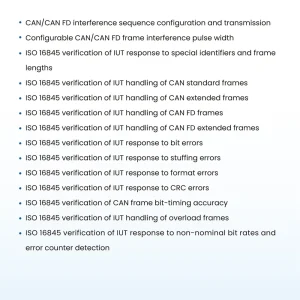
- CAN (FD) interference sequence configuration and transmission
- Configurable CAN (FD) frame interference pulse width
- CAN (FD) bus bit-timing tolerance testing
- CAN (FD) bus-off behavior testing
- ISO 16845 verification of IUT response to special identifiers and frame lengths
- ISO 16845 verification of IUT handling of CAN standard frames
- ISO 16845 verification of IUT handling of CAN extended frames
- ISO 16845 verification of IUT handling of CAN FD frames
- ISO 16845 verification of IUT handling of CAN FD extended frames
- ISO 16845 verification of IUT response to bit errors
- ISO 16845 verification of IUT response to stuffing errors
- ISO 16845 verification of IUT response to format errors
- ISO 16845 verification of IUT response to CRC errors
- ISO 16845 verification of CAN frame bit-timing accuracy
- ISO 16845 verification of IUT handling of overload frames
- ISO 16845 verification of IUT response to non-nominal bit rates and error counter detection
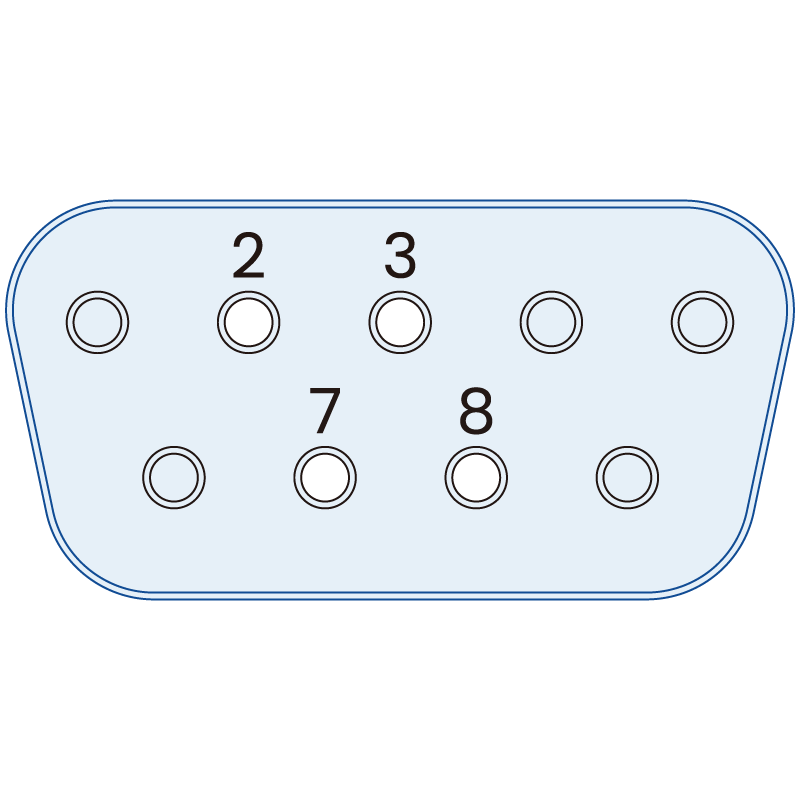
- Pin 2 CAN FD_Low
- Pin 3 CAN FD_GND
- Pin 7 CAN FD_High
- Pin 8 LIN
Typical applications
- ECU sampling point testing
- ECU bus-off behavior testing
- Frame disturbance and frame trigger output
- Bit tolerance testing
Specification
| Channel | 1* LIN 1* CAN (FD) 1* UART |
|---|---|
| PC Interface | USB 2.0 RJ45 Ethernet |
| Driver | Driver-free for Windows |
| Power | Supply USB-powered or external DC input (9-36V) |
| Power Consumption | 3W |
| Enclosure Material | Metal enclosures |
| Dimensions | Approx. 191*118*38mm |
| Weight | Approx. 420g (without packaging)/775g (with packaging) |
| Operating Temp | -40℃~80℃ |
| Operating Humidity | 10% ~ 90% RH (non-condensing) |
| Environment | Avoid corrosive gases |
During operation, make sure to correctly connect the power lines and avoid frequent plugging and unplugging.